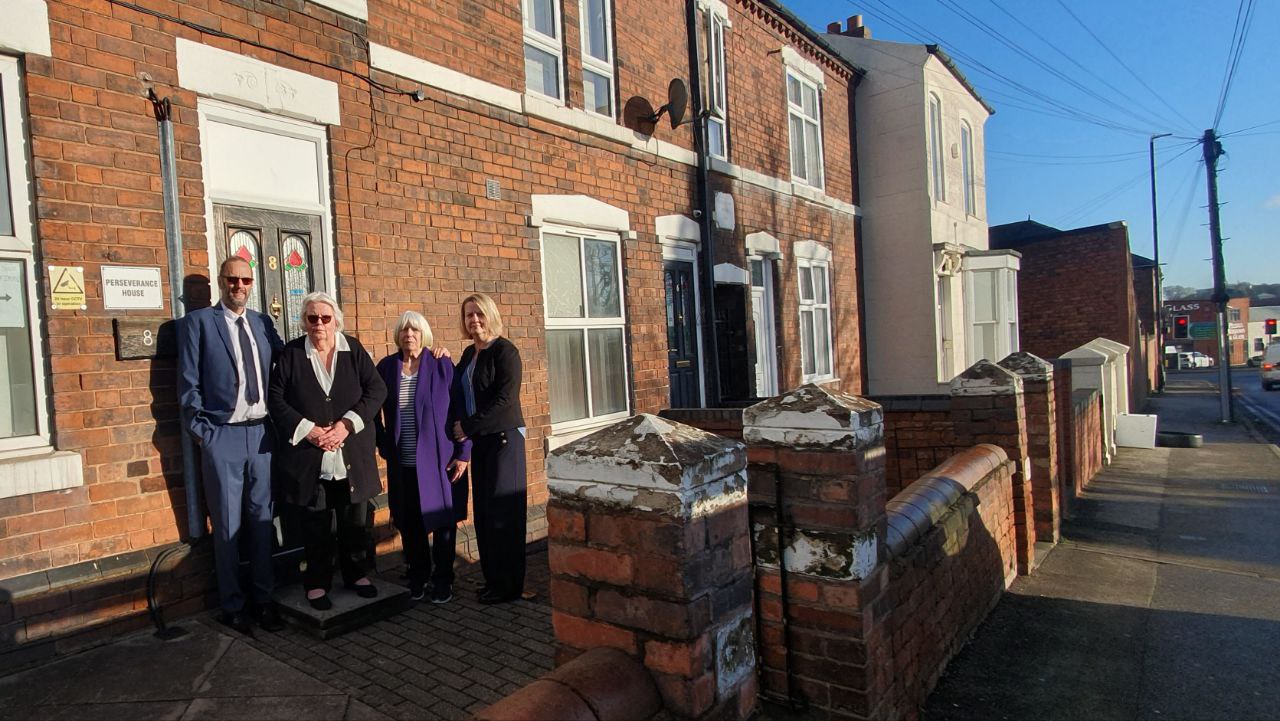


Origins (2014)
Supporting Homeless began in 2014 with a simple, practical goal: provide safe, dignified, and genuinely supportive long‑term accommodation for people who had been let down by short-stay systems. We launched with a single property and a small team committed to stability, predictable routines, and a home‑first ethos. Over time, we refined our approach with resident feedback, building a model of supported living that centers individual needs, continuity of care, and community integration.
- Founded to address gaps in traditional hostel provision and short-stay services.
- Home‑style environments with clear boundaries, consistency, and respect.
- Early partnerships with local authorities and support agencies to ensure continuity of care.


Our Mission and Vision
Our mission is to provide long‑term supported living that restores safety, enables stability, and empowers each resident to achieve personal goals. We believe that a consistent home environment and trusted relationships are the foundation for recovery, growth, and independence.
- Mission: Deliver dignified, person‑centered supported living with clear pathways to independence.
- Vision: A community where long‑term homelessness is rare, brief, and never repeated.
- Values: Respect, accountability, consistency, and collaborative support.


Our Properties Today
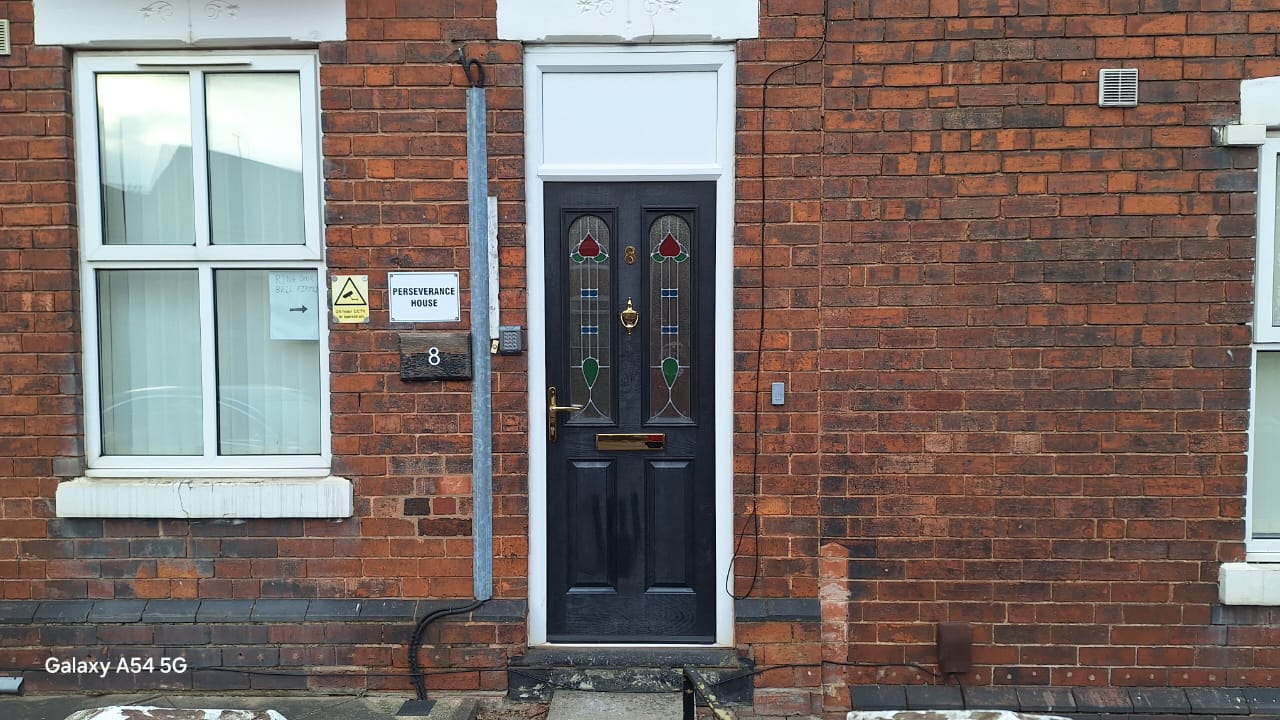
We operate a network of small, well‑managed properties designed for stability and community. Each property provides private rooms, shared spaces, clear house rules, and onsite or scheduled support. We regularly maintain and upgrade homes to ensure safety, comfort, and pride of place.
- Private, furnished rooms with secure storage and shared facilities.
- Robust safety standards: regular inspections, clear policies, and responsive maintenance.
- Small resident groups to foster calm, respectful living and community support.


How We Differ From Typical Hostels
We are not a short‑stay hostel. Our homes are designed for longer tenures, predictable routines, and consistent relationships. Residents know who supports them and what to expect, reducing anxiety and creating space for progress.
- Long‑term placements rather than rapid turnover.
- Structured support plans and consistent house rules for stability.
- Home‑like environment focused on dignity, privacy, and community.